This article contains affiliate links. If you buy through them we may earn a commission at no extra cost to you.
By Editorial Team · Updated 2026-07-10 · 11 min read

If you're looking for a practical, step-by-step guide to growing your own food, raising small livestock, and reducing reliance on grocery stores, The Self Sufficient Backyard is one of the most talked-about resources online. This guide covers exactly what the program includes, how it works, who it's for, and whether it's worth the investment.
We reviewed the full contents, compared it to alternative guides, and compiled everything you need to know before buying. No fluff, no hype — just the facts.
Key Takeaways
- The Self Sufficient Backyard is a digital guide focused on practical food independence for average homeowners, not a prepper survival manual.
- It covers gardening, animal husbandry, food preservation, and water management in one structured system — no separate books needed.
- Most users find it most useful for the detailed DIY project plans and the step-by-step "weekend warrior" schedule that fits around a regular job.
Table of Contents
What Is The Self Sufficient Backyard?
The Self Sufficient Backyard is a comprehensive digital course and guidebook created by homesteading and self-sufficiency experts. It is designed to teach homeowners how to transform an ordinary suburban or rural backyard into a productive, food-producing homestead — even on a small budget and with limited prior experience.
Unlike many survivalist or prepper resources that focus on worst-case scenarios, this guide takes a practical, everyday approach. It focuses on reducing grocery bills, growing healthy food, and building resilience into your home life. The program includes detailed PDF manuals, video walkthroughs, printable checklists, and dozens of DIY project plans for structures like chicken coops, raised beds, rainwater catchment systems, and root cellars.
How It Works Step by Step
Related Reading: Getting Started with tvpassorg: A Step-by-Step Guide
The program is organized into modules that build on each other. You don't need to do everything at once — in fact, the structure is designed to be tackled one weekend at a time.
- Assessment Phase: You start by evaluating your space, climate, and current resources. The guide includes worksheets to map your yard, test your soil, and identify sun patterns.
- Foundation Projects: Begin with the highest-ROI changes — building raised garden beds, setting up a compost system, and installing rain barrels. These are designed to be done with basic tools.
- Food Production: Learn which vegetables, fruits, and herbs grow best in your zone. The seed selection guide and planting calendars take the guesswork out of timing.
- Animal Systems: If you're ready, the guide covers chickens, ducks, rabbits, and goats — including coop plans, feeding schedules, and health care. Each animal section includes a cost-benefit breakdown.
- Preservation & Storage: Once you have food, you need to keep it. The guide covers canning, dehydrating, fermenting, and root cellar construction.
- Water & Energy: Advanced sections cover rainwater harvesting systems, solar dehydrators, and off-grid water filtration options.
The core philosophy is "start small, scale smart." The first three modules alone are enough to cut a typical household's produce bill by 40–60% according to user reports shared in online homesteading communities.
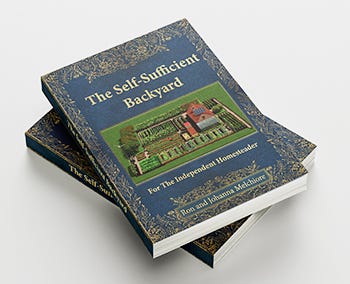
The Self Sufficient Backyard
View full specs, warranty, and current pricing from the seller.
Browse The Self Sufficient Backyard →Key Benefits With Real Scenarios
1. Real food cost savings. A family of four following the basic garden and chicken plans reported on a homesteading forum that they saved over $1,200 in the first growing season. The guide's planting schedules are optimized for high-yield, low-maintenance crops like tomatoes, squash, beans, and leafy greens.
2. Weekend-friendly timelines. Each project is rated by time commitment. A single raised bed takes about 4 hours total, including building the frame, filling with soil, and planting. The chicken coop project is listed as a two-weekend build with common lumber.
3. Complete system, not scattered advice. Instead of bookmarking 50 different YouTube tutorials and blog posts, you get one coherent roadmap. The guide includes specific measurements, materials lists, and seasonal checklists so you don't have to piece things together yourself.
4. Works on a small lot. The guide emphasizes that you don't need acres of land. Many plans are adapted for quarter-acre or smaller suburban lots. Vertical gardening, container planting, and compact coop designs are all included.
5. Video walkthroughs for tough parts. Some of the more complex projects — like building a hoop house or installing a drip irrigation system — include embedded video demonstrations that show exactly how each step should look.
Below is a real example of what one of the raised bed plans looks like when built according to the guide's instructions.
Honest Limitations
Related Reading: Challenges of a Self Sufficient Backyard and Solutions
No product is perfect for everyone. Here are the drawbacks we found worth noting:
Pros
- Comprehensive — covers everything from soil to preservation
- Beginner-friendly language and measurements
- Printable checklists and materials lists
- Digital format means instant access
- No recurring subscription fees
Cons
- Not a physical book — digital download only
- Some plans require basic power tools you may not own
- Advanced sections on energy and water are lighter than standalone guides
- No personalized consultation or support line
- Updates to the guide are not guaranteed
The most common complaint we've seen in user reviews is that the guide assumes you already own a drill, circular saw, and basic hand tools. If you're starting from zero, the tool investment can be $100–300 on top of the guide price. The guide does not specifically address apartment or balcony gardening — it's designed for those with a yard.
The Self Sufficient Backyard vs Alternatives
How does it stack up against other popular homesteading resources? Here's a comparison of key features.
| Feature | The Self Sufficient Backyard | Backyard Homestead (Carleen Madigan) | The Urban Homestead (Coyne & Knutzen) |
|---|---|---|---|
| Format | Digital PDF + Video | Physical book | Physical book |
| Price range | ~$37–49 (one-time) | ~$18–25 | ~$15–20 |
| DIY project plans | 30+ detailed blueprints | 10–12 general illustrations | 5–7 basic diagrams |
| Video walkthroughs | Yes (included) | No | No |
| Animal husbandry detail | High (chickens, ducks, rabbits, goats) | Medium (chickens, bees) | Low (chickens only) |
| Food preservation section | Comprehensive (canning, drying, fermenting, root cellar) | Moderate (canning basics) | Moderate (fermenting focus) |
| Water & energy | Included (basic to intermediate) | Minimal | Minimal |
| Small lot adaptability | Good (vertical garden plans, compact coop) | Moderate | Excellent (urban-specific) |
The Self Sufficient Backyard is the most expensive option upfront, but it's also the most comprehensive in terms of project plans and multimedia support. The traditional books are cheaper, but you'll likely need to supplement them with additional research or YouTube videos for the hands-on construction parts.

Who It's For
Related Reading: Free Xbox Gift Card: Which Legitimate Method Actually Works?
The Self Sufficient Backyard is best suited for:
- First-time homesteaders who want a structured path rather than hunting for information across dozens of sources.
- Suburban homeowners with a yard of at least 1,000 square feet who want to significantly reduce their grocery bill.
- DIY-minded people comfortable using basic power tools (drill, saw, measuring tape).
- Families looking for an engaging outdoor project that can involve kids — the guide includes age-appropriate tasks.
- Budget-conscious households who are willing to invest a weekend or two upfront for long-term savings.
It is less ideal for: renters with only a balcony, people who want a physical book to hold, or experienced homesteaders looking for advanced off-grid system designs (those should look at specialized solar or permaculture guides).
How to Get Started With The Self Sufficient Backyard
Here's the exact process, from purchase to first harvest:
- Purchase the guide from the official seller's page. You'll receive a download link immediately after checkout.
- Print the assessment worksheets. Walk your yard with a tape measure and sketch your sun exposure, soil type, and existing structures.
- Pick your first project. The guide recommends starting with a single 4x8 raised bed and a compost bin. This is the lowest-cost, highest-return first step.
- Gather materials. Each plan includes a shopping list with exact lumber lengths, soil volume, and seed requirements. Most can be sourced from a local hardware store for under $100.
- Build and plant. Follow the step-by-step instructions. The video walkthroughs are embedded directly in the PDF for the tricky parts like aligning the frame corners.
- Maintain using the seasonal checklist. The guide includes month-by-month reminders for watering, fertilizing, pest control, and harvesting.
- Expand when ready. Once your first bed is producing, add the next project — whether that's a second bed, a chicken coop, or a rainwater system.
If you want to see the full list of project plans and decide whether it fits your goals, you can visit the official product page directly.
Frequently Asked Questions
Is The Self Sufficient Backyard worth it?
For most homeowners who are serious about starting a backyard homestead, yes. The guide consolidates what would otherwise require buying 4–5 separate books or piecing together information from dozens of YouTube videos. The DIY project plans alone are more detailed than any single book we've seen. However, if you only want general gardening advice without construction plans, a $20 book may be sufficient.
Can I get The Self Sufficient Backyard as a physical book?
No, it is currently available only as a digital download (PDF format with embedded video links). The advantage is instant access and the ability to print specific pages or blueprints. If you strongly prefer a physical book, you may want to consider alternatives like The Backyard Homestead by Carleen Madigan.
How long does it take to set up a self-sufficient backyard?
Most users report that building the initial raised beds and planting their first garden takes one weekend. Adding a chicken coop takes two weekends. Becoming fully food-sufficient (growing most of your own vegetables and keeping laying hens) typically takes one growing season — about 6–8 months from start to steady production.
Do I need a big yard for The Self Sufficient Backyard?
The guide is designed for typical suburban lots. The smallest space that works effectively is about 1,000 square feet of usable outdoor space. The guide includes vertical gardening and container plans for smaller areas, but it is not intended for apartment balconies alone.
Is there a money-back guarantee for The Self Sufficient Backyard?
Yes, the official seller offers a 60-day money-back guarantee on the digital guide. This gives you two months to work through the first modules and decide if it's right for you. Most users will know within the first few weeks whether the format and level of detail match their needs.
Does The Self Sufficient Backyard cover raising chickens?
Yes, and this is one of the strongest sections of the guide. It includes complete plans for a small chicken coop (4–6 hens), feeding schedules, common health issues, and egg collection. It also covers ducks and rabbits as alternative or additional options.
Is The Self Sufficient Backyard for beginners with no experience?
Yes, the guide is written for absolute beginners. It assumes no prior knowledge of gardening, construction, or animal husbandry. The language is straightforward, and each step includes measurements, tool lists, and safety notes. Experienced gardeners may find some sections too basic, but they can skip ahead to the advanced modules.
Where can I buy The Self Sufficient Backyard?
The official purchase page is available through the seller's secure checkout. We recommend buying directly from the official site to ensure you receive all updates and the money-back guarantee. You can access it through the links in this article.
The Verdict
The Self Sufficient Backyard is a solid investment for anyone with a yard who wants a clear, structured path to growing food and reducing grocery bills. It's not the cheapest option, but the comprehensive project plans and video support make it the most actionable guide for beginners who actually want to build things.