This article contains affiliate links. If you buy through them we may earn a commission at no extra cost to you.
By Editorial Team · Updated 2026-07-13 · 9 min read
 You bought *The Self Sufficient Backyard* because you wanted real independence — growing food, reducing grocery bills, and gaining peace of mind. But weeks later, your tomato seedlings are leggy, your compost pile smells, and you're still buying produce at the store. You're not alone. The problem isn't you, and it isn't the guide itself. The issue is that most beginners skip the critical foundation work. This article explains exactly where things go wrong and gives you a proven, step-by-step plan to make *The Self Sufficient Backyard* finally work for your space, your climate, and your schedule.
 Key Takeaways
- The most common failure is trying to do everything at once — start with just one 4x4 raised bed.
- Most problems stem from poor soil preparation and ignoring microclimate specifics.
- Tracking small wins (like 10% fewer store trips) builds momentum better than aiming for total self-sufficiency overnight.
Table of Contents
- The Frustration: Why Your Backyard Isn't Working
- The 3 Common Mistakes Beginners Make
- Why Usual Fixes Fail
- What Experienced Users Do Differently
- Step-by-Step Solution That Works
- Realistic Results: What to Expect Month by Month
- Pitfalls to Avoid
- Comparison Table: Works vs. Doesn't Work
- Frequently Asked Questions
The Frustration: Why Your Backyard Isn't Working
You're following the plans. You built the raised beds. You planted according to the schedule. Yet your kale is full of holes, your carrots are thumb-sized, and you're still spending $150 a week at the supermarket. The *The Self Sufficient Backyard* book sits on your shelf, dog-eared but not delivering. This frustration is real — and it's almost always caused by the same three mistakes.The 3 Common Mistakes Beginners Make
Related Reading: NeuroActiv6 Reviews - Honest Look at Results and Complaints
**Mistake 1: Overambitious first season.** You want to grow everything — tomatoes, peppers, corn, melons, herbs, squash. The guide suggests starting small, but you jump in with 200 square feet of garden. The result: weeding becomes overwhelming, watering is inconsistent, and half your crops fail. **Mistake 2: Ignoring your microclimate.** *The Self Sufficient Backyard* provides general zone information, but your backyard might get afternoon shade from a neighbor's oak tree or have heavy clay soil that holds water. The book can't see your specific yard. When you follow zone 7 recommendations but your yard is actually zone 7 with heavy shade, you get frustrated. **Mistake 3: Neglecting soil biology.** Many beginners buy bags of topsoil and call it done. But healthy soil is alive — it needs organic matter, mycorrhizal fungi, and a balanced pH. Without this foundation, plants struggle regardless of how well you follow the planting charts.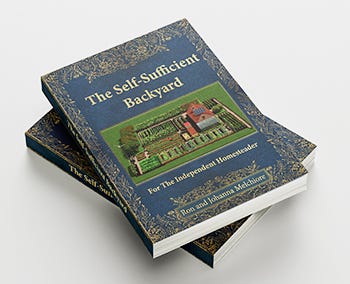
Why Usual Fixes Fail
The obvious fix is "just try harder," but that doesn't work. Adding more fertilizer when the real problem is drainage just makes things worse. Buying more seeds won't help if you haven't fixed your soil structure. Watching more YouTube tutorials doesn't address the fact that your specific yard faces north instead of south. The fix requires diagnosis, not just effort. You need to understand *why* something failed before you can fix it.What Experienced Users Do Differently
Related Reading: Best IPTV Service Buyer's Guide: What to Check Before You Subscribe
Experienced self-sufficient gardeners don't try to replicate the entire *The Self Sufficient Backyard* plan in year one. They pick one system — often a 4x4 raised bed with a reliable crop like tomatoes or salad greens — and they obsess over the details. They also test their soil. A $15 soil test kit from a garden center reveals pH, nitrogen, phosphorus, and potassium levels. They adjust based on results, not guesses. They water deeply but less frequently, encouraging deep root growth. And they keep a simple journal noting what worked and what didn't, so next year they don't repeat mistakes.Step-by-Step Solution That Works
Here is the exact sequence that turns *The Self Sufficient Backyard* from a frustrating guide into a working system. **Step 1: Conduct a site audit.** Walk your yard at 9 AM, noon, and 3 PM. Note where the sun hits and for how long. Identify areas with standing water after rain. Feel your soil — is it sandy, clay, or loamy? Write it all down. **Step 2: Start with one raised bed.** Build a single 4x8 foot bed or use three 4x4 beds. This is manageable for one person with a full-time job. The guide's plans work, but scale down first. **Step 3: Use the "lasagna" method for soil.** Instead of buying bagged soil, layer cardboard, grass clippings, leaves, kitchen scraps, and finished compost. This builds rich, living soil that holds moisture and feeds plants naturally. *The Self Sufficient Backyard* covers this in its soil chapter, but many skip it because it takes a few weeks to break down. **Step 4: Plant only five crops your first season.** Choose two crops you love to eat (like tomatoes and peppers), one fast grower (radishes or lettuce), one heavy feeder (squash or corn), and one nitrogen fixer (beans). This gives you variety without overwhelm. **Step 5: Install drip irrigation.** Hand-watering leads to inconsistent moisture. A simple $30 drip line on a timer delivers water at the roots, where plants need it. Your yields will double. **Step 6: Keep a weekly log.** Every Sunday, spend 15 minutes writing down what grew, what got eaten by pests, and what you harvested. This data makes next year's plan ten times more effective. "People think self-sufficiency means doing everything themselves," says a master gardener who contributed to community garden programs. "But it really means working smarter — testing, timing, and automating where possible."The Self Sufficient Backyard
Check what today's offer includes before you decide.
Browse The Self Sufficient Backyard →Realistic Results: What to Expect Month by Month
Related Reading: Word Counter - 7 Mistakes That Skew Your Numbers (Fixed)
Here is what a typical first-season success looks like when you follow the steps above: **Month 1-2:** You prepare soil and build beds. You plant cool-weather crops (lettuce, radishes, spinach). First harvests are small — enough for two salads a week. **Month 3-4:** Warm-weather crops (tomatoes, peppers, beans) take off. You harvest 3-5 pounds of produce per week. Grocery store trips drop by 15%. **Month 5-6:** Peak season. Your tomato plants yield 10-15 pounds each. You're giving away zucchini to neighbors. You're buying 30% less produce at the store. **Month 7-9:** You preserve excess — canning tomatoes, freezing peppers, drying herbs. You learn what stores well and what doesn't. **Second year:** You expand to two more beds. You start seeds indoors. Your harvest doubles. Store trips for produce drop to once every two weeks.
Pitfalls to Avoid
Even with the right approach, certain traps can derail your progress: **Pitfall 1: Comparing to social media.** Those perfect garden photos are staged. Your garden will have holes in leaves, some pest damage, and uneven rows. That's normal and fine. **Pitfall 2: Overwatering.** New gardeners drown plants with love. Most vegetables need 1 inch of water per week, not daily sips. Let the soil dry slightly between waterings. **Pitfall 3: Planting without a trellis system.** Vining crops like cucumbers, beans, and tomatoes need support from day one. Trying to add a cage later damages roots and reduces yields. **Pitfall 4: Forgiving pests too late.** A few aphids become an infestation in days. Check plants every other morning. Hand-squash pests or use a spray of neem oil at the first sign. **Pitfall 5: Forgetting about winter.** Cool-season crops like kale, carrots, and broccoli can extend your harvest into November. Use row covers to add 4-6 weeks of growing time. *The Self Sufficient Backyard* has a winter gardening section worth studying in July.Works vs. Doesn't Work
| What Works | What Doesn't Work |
|---|---|
| Starting with one 4x4 bed | Building a 200 sq ft garden in year one |
| Testing soil pH and nutrients first | Buying bagged soil and planting immediately |
| Drip irrigation on a timer | Hand-watering every day |
| Planting 5 crops the first season | Planting 20+ varieties at once |
| Keeping a weekly garden journal | Trying to remember what worked |
| Using row covers for winter extension | Abandoning the garden after September |
| Learning to preserve (canning/freezing) | Watching surplus rot on the vine |
Frequently Asked Questions
Is The Self Sufficient Backyard good for beginners?
Yes, but with the caveat that beginners should start small. The guide covers a lot of ground, and trying to implement everything at once leads to burnout. Pick one project — like a single raised bed for tomatoes — and follow that section thoroughly. The book's strength is its comprehensive approach, but beginners need to scale it down to 10-20% of what's shown in year one.
How much money can I save with a self sufficient backyard?
Most people save $200-$600 per year on groceries in their first full season, depending on garden size and local food prices. Year two, with better planning and preservation, that can rise to $800-$1,200. However, initial setup costs (beds, soil, seeds, tools) are typically $300-$500. You break even by the second season.
What if I only have a small balcony or patio?
The guide includes container gardening options that work well for small spaces. Focus on compact varieties of tomatoes, peppers, herbs, and salad greens. Use vertical trellises for cucumbers and beans. A 4x6 foot balcony can produce 20-30 pounds of produce per season with proper planning and container selection.
Can I get a self sufficient backyard pdf version?
The official product is typically sold as a digital download package that includes PDF formats for easy reading on tablets and phones. Check the current offer page to confirm what formats are included. The PDF version is convenient for referencing plans while you're working in the garden.
How long does it take to become fully self-sufficient?
Realistically, 3-5 years for most people in typical suburban settings. Full self-sufficiency (growing 80%+ of your vegetables year-round) requires significant space, knowledge, and time commitment. Most find partial self-sufficiency — growing high-value crops like tomatoes, salad greens, and herbs — achievable in 1-2 seasons with consistent effort.
Where to buy The Self Sufficient Backyard?
The official site is the primary place to purchase. Some resellers may offer it, but buying direct from the publisher ensures you get updates, bonus materials, and support. We recommend checking the verified link in this article to see what the current offer includes.
What crops are easiest to start with in a self sufficient backyard?
Tomatoes, bush beans, radishes, lettuce, and zucchini are the most forgiving for beginners. These crops germinate quickly, resist common pests, and produce reliably. Avoid starting with carrots (slow germination), corn (needs lots of space), and melons (long season) until you have a season of experience under your belt.
Is The Self Sufficient Backyard worth the investment?
For people serious about growing their own food, yes. The guide consolidates years of trial and error into a structured system. Its value is directly tied to how much you apply, not just read. If you commit to implementing even 30% of the plans, you'll save money on groceries and gain useful skills. For casual gardeners, free online resources may suffice.
The Verdict
The Self Sufficient Backyard is a genuinely useful framework, not a magic wand. It's right for anyone willing to start small, test their soil, and build skills season by season — but expect to invest time and attention before seeing returns.
Claim Your Copy of The Self Sufficient Backyard →This link goes to the seller's official page. If you buy through it we may earn a commission at no additional cost to you. Our assessment is written independently.
Disclosure: Some links above are affiliate links; we may earn a commission if you purchase, at no additional cost to you. This does not affect our editorial assessment, which is based on publicly available product information.